
Digital Doppelgangers
Engineers are building computerized replicas of cities, and even Georgia Tech’s campus, to save lives and create a better, more efficient world for all of us.

John E. Taylor is the Frederick Law Olmsted Professor. Taylor studies the dynamics where human and engineered networks meet, making him an ideal fit for an endowed professorship named for the father of landscape architecture and a designer who believed engineered infrastructure should be both functional and aesthetically appealing, serving society’s needs while also creating more livable and healthy communities. Taylor has been an entrepreneur and worked as a project manager before starting his career in higher education. He taught most recently at Virginia Tech, where he was a dean’s faculty fellow in the College of Engineering and a Preston and Catharine White fellow in the College of Architecture and Urban Studies.
Building-occupant network dynamics, Extreme event dynamics, Globalizing network dynamics, Information system integration dynamics, Network dynamics simulation
Engineers are building computerized replicas of cities, and even Georgia Tech’s campus, to save lives and create a better, more efficient world for all of us.
Flooding can be an existential threat, affecting everything from infrastructure to health. Georgia Tech researchers are developing solutions to monitor and forecast flooding, as well as restore ecosystems to prevent future flooding. These efforts support communities’ resilience in the face of climate change and keep the U.S. secure.
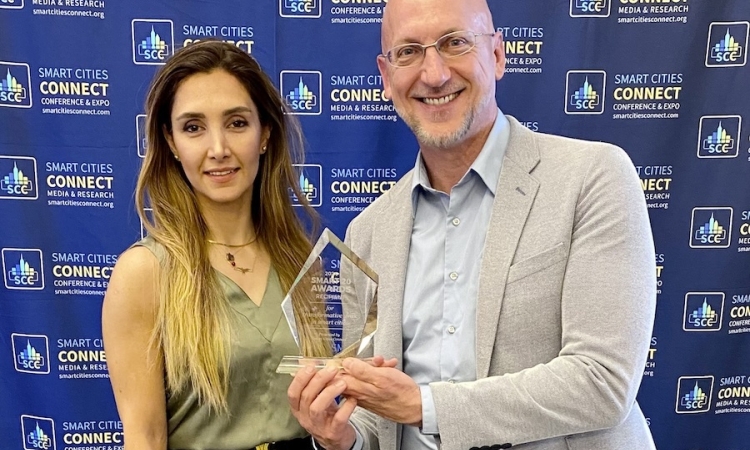
A Q&A with Frederick Law Olmsted Professor John E. Taylor and Senior Research Engineer Neda Mohammadi about how digital twin technology can be used to address community problems.